
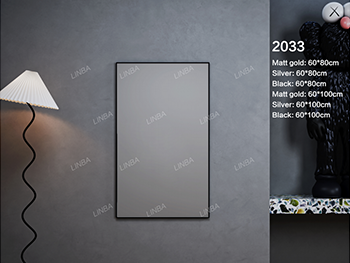
Multifunctional Smart Bathroom Mirrors with Waterproof Touch Controls: Technology and Market Trends
Industry Background and Market Demand
The bathroom has evolved from a purely functional space to a hub of smart home technology, driven by consumer demand for convenience, energy efficiency, and aesthetic appeal. Among the most sought-after innovations are multifunctional smart bathroom mirrors with waterproof touch controls, which integrate lighting, defogging, Bluetooth connectivity, and even health monitoring into a single unit.
Market research indicates steady growth in the smart bathroom segment, particularly in North America and Europe, where high disposable income and smart home adoption rates are fueling demand. Commercial sectors—such as luxury hotels, spas, and healthcare facilities—are also investing in these mirrors to enhance user experience and operational efficiency.
Core Technology and Key Features
A smart bathroom mirror with waterproof touch controls relies on several critical technologies:
1. Capacitive Touch Sensors with Waterproofing
Unlike traditional resistive touch panels, capacitive sensors provide smoother interaction and better durability. A waterproof coating (typically silicone or hydrophobic nano-coatings) ensures functionality in humid environments.
2. Integrated LED Lighting Systems
Most models feature adjustable color temperatures (2700K–6500K) and brightness levels, often controlled via touch or voice commands. Some incorporate motion sensors for hands-free operation.
3. Anti-Fog Technology
Heating elements behind the mirror surface prevent condensation, a common issue in bathrooms. These systems may use low-voltage electrical pads or thermoelectric modules for energy efficiency.
4. Smart Connectivity (Bluetooth/Wi-Fi)
Integration with smart home ecosystems (e.g., Google Home, Alexa) allows users to control lighting, play music, or check weather updates. Some advanced models include built-in displays for notifications.
Product Structure, Materials, and Manufacturing
Structural Components
- Frame and Backing: Typically aluminum or stainless steel for corrosion resistance.
- Mirror Glass: Tempered (safety glass) with a silver or aluminum reflective coating.
- Touch Panel: A laminated layer with indium tin oxide (ITO) for conductivity, protected by waterproof sealants.
- Internal Electronics: PCB boards with moisture-resistant conformal coatings.
Manufacturing Process
1. Glass Cutting and Tempering – Precision laser cutting followed by thermal tempering for durability.
2. Sensor Integration – Capacitive touch layers are bonded to the mirror surface.
3. Waterproof Sealing – Gaskets and adhesives prevent moisture ingress.
4. Final Assembly – Electronics are housed in a sealed compartment, tested for IP65 or higher waterproof ratings.
Key Factors Affecting Quality and Performance
1. Waterproofing Integrity – Poor sealing leads to sensor failure or electrical hazards.
2. Power Efficiency – Low-energy LED drivers and defogging systems reduce operational costs.
3. Touch Sensitivity – Overly thick coatings can reduce responsiveness.
4. Software Stability – Firmware must handle high humidity without glitches.
Supplier and Supply Chain Considerations
When sourcing components, manufacturers prioritize:
- Reliable PCB Suppliers – Must comply with IPC-A-610 standards for moisture resistance.
- Glass Manufacturers – Should provide tempered glass with optical clarity and edge strength.
- Electronics Assembly – Contract manufacturers with experience in waterproof consumer electronics.
Common Challenges and Industry Pain Points
1. Moisture Damage – Even with waterproofing, prolonged exposure to steam can degrade electronics.
2. High Production Costs – Premium materials and waterproofing add to manufacturing expenses.
3. Compatibility Issues – Not all models integrate seamlessly with third-party smart home systems.
4. Installation Complexity – Hardwired models require professional electrician support.
Applications and Use Cases
- Residential: High-end homes use smart mirrors for grooming, mood lighting, and smart home control.
- Hospitality: Luxury hotels install them for guest convenience, integrating them with room automation.
- Healthcare: Some models include skin analysis or vital sign monitoring for wellness applications.
Current Trends and Future Developments
1. AI-Powered Personalization – Future mirrors may analyze skin conditions or suggest grooming routines.
2. Augmented Reality (AR) Integration – Virtual try-on features for cosmetics or hairstyles.
3. Energy Harvesting – Solar or kinetic energy to reduce dependency on wired power.
4. Modular Designs – Swappable components for easy upgrades.
FAQ
Q: How do waterproof touch controls work in high-humidity environments?
A: They use hydrophobic coatings and sealed circuitry to prevent moisture interference.
Q: Can smart mirrors be retrofitted into existing bathrooms?
A: Yes, but hardwired models may require electrical upgrades, while battery-powered options offer easier installation.
Q: What is the typical lifespan of a smart bathroom mirror?
A: With proper sealing, 7–10 years, though electronics may require occasional firmware updates.
Q: Are there privacy concerns with connected mirrors?
A: Reputable manufacturers encrypt data and allow offline modes to mitigate risks.
Conclusion
Multifunctional smart bathroom mirrors represent a convergence of design and technology, meeting demand for convenience and luxury. As waterproofing techniques and smart integrations improve, these products will become more accessible and versatile, shaping the future of modern bathrooms.
يستخدم هذا الموقع ملفات تعريف الارتباط لضمان حصولك على أفضل تجربة على موقعنا.


 English
 Español
 Français
 日本語
日本語



 هاتف
هاتف
تعليق
(0)