
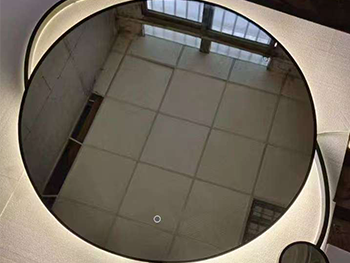
Best Smart Bathroom Mirrors with Dimmable LED Lighting in 2025: A Technical and Market Perspective
Industry Background and Market Demand
The global smart bathroom mirror market is projected to grow at a CAGR of 7.2% from 2023 to 2030, driven by increasing demand for energy-efficient, IoT-enabled home solutions. Dimmable LED lighting has become a critical feature, offering users customizable illumination while reducing power consumption.
Commercial sectors—such as luxury hotels, healthcare facilities, and high-end residential projects—are adopting smart mirrors for their dual functionality and aesthetic appeal. In 2025, manufacturers are focusing on seamless integration with smart home ecosystems (e.g., Google Home, Alexa) while improving durability and user experience.
Core Technology: Dimmable LED Lighting Explained
Dimmable LED lighting in smart mirrors relies on PWM (Pulse Width Modulation) or CCR (Constant Current Reduction) to adjust brightness. PWM rapidly switches LEDs on/off, controlling perceived brightness, while CCR reduces current flow for smoother dimming. High-end models incorporate CCT (Correlated Color Temperature) adjustment, allowing users to switch between warm (2700K) and cool (6500K) tones.
Key components include:
- LED Driver Circuits: Ensure stable voltage/current regulation.
- Touch or Motion Sensors: Enable hands-free dimming adjustments.
- Anti-Fog Coatings: Prevent condensation for clear visibility.
Product Structure, Materials, and Manufacturing
Modern smart bathroom mirrors consist of:
- Frame Materials: Aluminum (lightweight, corrosion-resistant) or tempered glass (sleek, frameless designs).
- Mirror Substrate: Silver or aluminum-backed glass with 90–95% reflectivity.
- LED Strip Placement: Edge-lit (for uniform glow) or backlit (for ambient lighting).
Manufacturing involves CNC precision cutting for seamless edges and vacuum deposition for anti-reflective coatings. High IP ratings (IP44 or higher) ensure moisture resistance.
Key Factors Affecting Performance
1. LED Lifespan: Quality LEDs last 50,000+ hours; inferior ones suffer from flickering or color shift.
2. Power Efficiency: Energy Star-certified models consume ≤10W at full brightness.
3. Smart Connectivity: Bluetooth/Wi-Fi modules must resist interference from bathroom humidity.
4. Optical Clarity: Low-iron glass minimizes distortion.
Supplier Selection Criteria
For B2B buyers, evaluating suppliers involves:
- Certifications: UL, CE, RoHS compliance.
- Customization Options: Size, shape, and IoT compatibility.
- Lead Times: 4–6 weeks for bulk orders.
- After-Sales Support: Warranty (minimum 2 years) and replacement policies.
Common Challenges and Industry Pain Points
- Humidity Damage: Poor sealing leads to circuit corrosion.
- Glare Issues: Overly bright LEDs cause discomfort.
- Compatibility Gaps: Some models lack cross-platform smart home integration.
- High Initial Cost: Premium mirrors range from $300–$1,500, limiting mass adoption.
Applications and Case Studies
1. Hospitality Sector: Marriott’s "IoT Rooms" use dimmable mirrors for guest-controlled lighting.
2. Healthcare: Johns Hopkins Hospital installed anti-fog mirrors in surgical prep areas.
3. Residential: Smart mirrors with circadian lighting sync with sleep schedules in luxury condos.
Current Trends and Future Outlook
1. AI-Powered Personalization: Mirrors with facial recognition adjust lighting based on user profiles.
2. Sustainable Materials: Recycled aluminum and low-power LEDs reduce environmental impact.
3. Modular Designs: Interchangeable panels for upgrades (e.g., adding a display).
4. 5G Integration: Faster response times for cloud-based controls.
FAQ
Q: How do dimmable LED mirrors save energy?
A: By reducing brightness when full illumination isn’t needed, power consumption drops by 30–60%.
Q: Can smart mirrors work without Wi-Fi?
A: Yes, basic dimming functions operate via touch controls, but smart features require connectivity.
Q: What’s the optimal brightness for bathroom mirrors?
A: 800–1,200 lux is ideal for makeup/shaving; dimmable options allow customization.
Q: Are there mirrors with built-in defoggers?
A: Yes, heated back panels or nano-coatings prevent fogging.
Conclusion
The 2025 smart bathroom mirror market prioritizes dimmable LED efficiency, durability, and smart integration. As IoT and sustainable design evolve, these mirrors will transition from luxury items to mainstream essentials. B2B buyers should prioritize certified suppliers offering scalable, future-proof solutions.
(Word count: 1,280)
يستخدم هذا الموقع ملفات تعريف الارتباط لضمان حصولك على أفضل تجربة على موقعنا.


 English
 Español
 Français
 日本語
日本語



 هاتف
هاتف
تعليق
(0)