
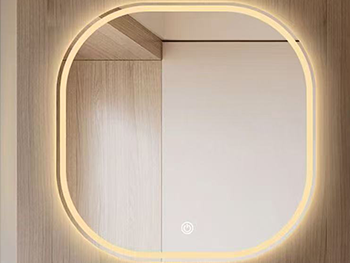
Multifunctional Smart Mirrors with Built-In Clocks: Technology, Applications, and Market Trends
Industry Background and Market Demand
The integration of smart technology into everyday objects has accelerated in recent years, with multifunctional smart mirrors emerging as a notable innovation. These devices combine traditional mirror functionality with digital features such as built-in clocks, weather displays, and connectivity options. The demand for such products is driven by the growing smart home market, which is projected to reach $338 billion by 2030, according to Statista.
Businesses in hospitality, healthcare, and retail are increasingly adopting smart mirrors to enhance user experience and operational efficiency. For example, hotels use them to provide guests with real-time information, while fitness centers incorporate them into interactive workout stations. The inclusion of a built-in clock adds practicality, making these mirrors ideal for time-sensitive environments like gyms, spas, and corporate offices.
Core Concept and Key Technologies
A multifunctional smart mirror with a built-in clock operates through a combination of hardware and software components:
- Display Technology: Most models use an LCD or OLED panel behind a two-way mirror, allowing digital content to appear while maintaining reflection clarity.
- Embedded Computing: A microcontroller or single-board computer (e.g., Raspberry Pi) processes data and controls the display.
- Connectivity: Wi-Fi or Bluetooth enables synchronization with smartphones, smart home systems, and cloud-based services.
- Power Management: Efficient energy use is critical, with some models incorporating motion sensors to activate the display only when needed.
The clock function is typically integrated via software, often syncing with network time protocols (NTP) for accuracy. Advanced models may include voice assistants or touch controls for additional interactivity.
Product Structure, Materials, and Manufacturing
The construction of a high-quality smart mirror involves several key elements:
1. Frame and Housing: Aluminum or reinforced plastic is commonly used for durability and aesthetics. Waterproof coatings are essential for bathroom or spa installations.
2. Glass Quality: Optically clear, low-iron glass minimizes distortion, while a semi-reflective coating ensures visibility of the digital display.
3. Display Panel: High-resolution screens (1080p or 4K) are preferred for readability, with anti-glare treatments for well-lit environments.
4. Internal Components: The choice of PCB (printed circuit board) and wiring affects reliability. Modular designs simplify repairs and upgrades.
Manufacturers must balance cost and performance, often opting for automated assembly to ensure consistency. Customization options, such as size and frame finish, are increasingly common to meet diverse client needs.
Critical Factors Affecting Quality and Performance
Several factors determine the success of a smart mirror product:
- Display Visibility: Poor contrast or glare can render the clock or other features unreadable.
- Durability: Moisture resistance and impact protection are vital for high-traffic areas.
- Software Stability: Frequent crashes or slow response times degrade user experience.
- Power Efficiency: Excessive energy consumption limits placement options.
Testing under real-world conditions—such as varying light levels and humidity—helps identify weaknesses before mass production.
Supplier and Supply Chain Considerations
Selecting reliable suppliers is crucial for maintaining product quality. Key criteria include:
- Component Sourcing: Displays and glass should come from certified manufacturers to avoid defects.
- Assembly Capabilities: Suppliers with experience in smart devices reduce production risks.
- Logistics: Just-in-time inventory management minimizes delays and storage costs.
Many companies source displays from established suppliers like LG or Samsung, while smaller components may come from specialized electronics distributors.
Common Challenges and Industry Pain Points
Despite their advantages, smart mirrors face several hurdles:
- High Production Costs: Premium materials and advanced displays increase prices, limiting mass-market adoption.
- Software Fragmentation: Lack of standardized platforms complicates integration with third-party apps.
- Privacy Concerns: Cameras or microphones in some models raise data security issues.
- Installation Complexity: Larger mirrors may require professional mounting, adding to deployment costs.
Addressing these challenges requires ongoing R&D investment and clearer industry regulations.
Applications and Industry Use Cases
Multifunctional smart mirrors are deployed across multiple sectors:
- Hospitality: Hotels use them for room controls, weather updates, and local attraction information.
- Fitness: Gyms integrate workout timers, heart rate monitors, and instructional videos.
- Retail: Stores employ them as interactive displays for product catalogs and virtual try-ons.
- Healthcare: Clinics utilize them for patient check-ins and appointment reminders.
A notable example is a luxury spa chain that installed smart mirrors with built-in clocks to display treatment schedules, enhancing guest convenience.
Current Trends and Future Developments
The smart mirror industry is evolving rapidly, with several emerging trends:
- AI-Powered Personalization: Future models may analyze user behavior to customize displayed information.
- Sustainability: Energy-efficient designs and recyclable materials are gaining traction.
- Augmented Reality (AR): AR overlays could enable virtual makeup trials or interior design previews.
- Modular Upgrades: Swappable components may extend product lifespans, reducing e-waste.
As IoT adoption grows, smart mirrors will likely become more interconnected, serving as central hubs for smart home or office ecosystems.
FAQ
Q: Can smart mirrors function without an internet connection?
A: Basic features like the clock and offline apps will work, but real-time updates require connectivity.
Q: How durable are smart mirrors in humid environments?
A: High-quality models with IP65 or higher ratings are resistant to moisture and dust.
Q: What is the typical lifespan of a smart mirror?
A: With proper maintenance, most units last 5–7 years, though display panels may degrade over time.
Q: Are there privacy risks with voice-enabled smart mirrors?
A: Reputable manufacturers implement encryption and user-controlled data permissions.
By addressing technical, market, and usability factors, multifunctional smart mirrors with built-in clocks are poised to become a staple in both commercial and residential settings. Their continued innovation will depend on balancing functionality, cost, and user trust.
يستخدم هذا الموقع ملفات تعريف الارتباط لضمان حصولك على أفضل تجربة على موقعنا.


 English
 Español
 Français
 日本語
日本語



 هاتف
هاتف
تعليق
(0)